What to Expect From an Auto Body Service
Auto body services play a crucial role in maintaining and repairing vehicles to ensure safety and aesthetic appeal. Over time, vehicles are susceptible to wear and tear from everyday use, accidental damage, and environmental exposure. These services aim to restore vehicles to their original condition, enhance their longevity, and ensure optimum performance. Beyond aesthetic repairs, auto body services are essential for addressing mechanical and structural issues that may compromise safety. Selecting a reliable auto body service is crucial for vehicle owners to meet the fundamental goals of comprehensive vehicle maintenance and repair.
1. Initial Inspection and Damage Assessment
1.1. Comprehensive Analysis
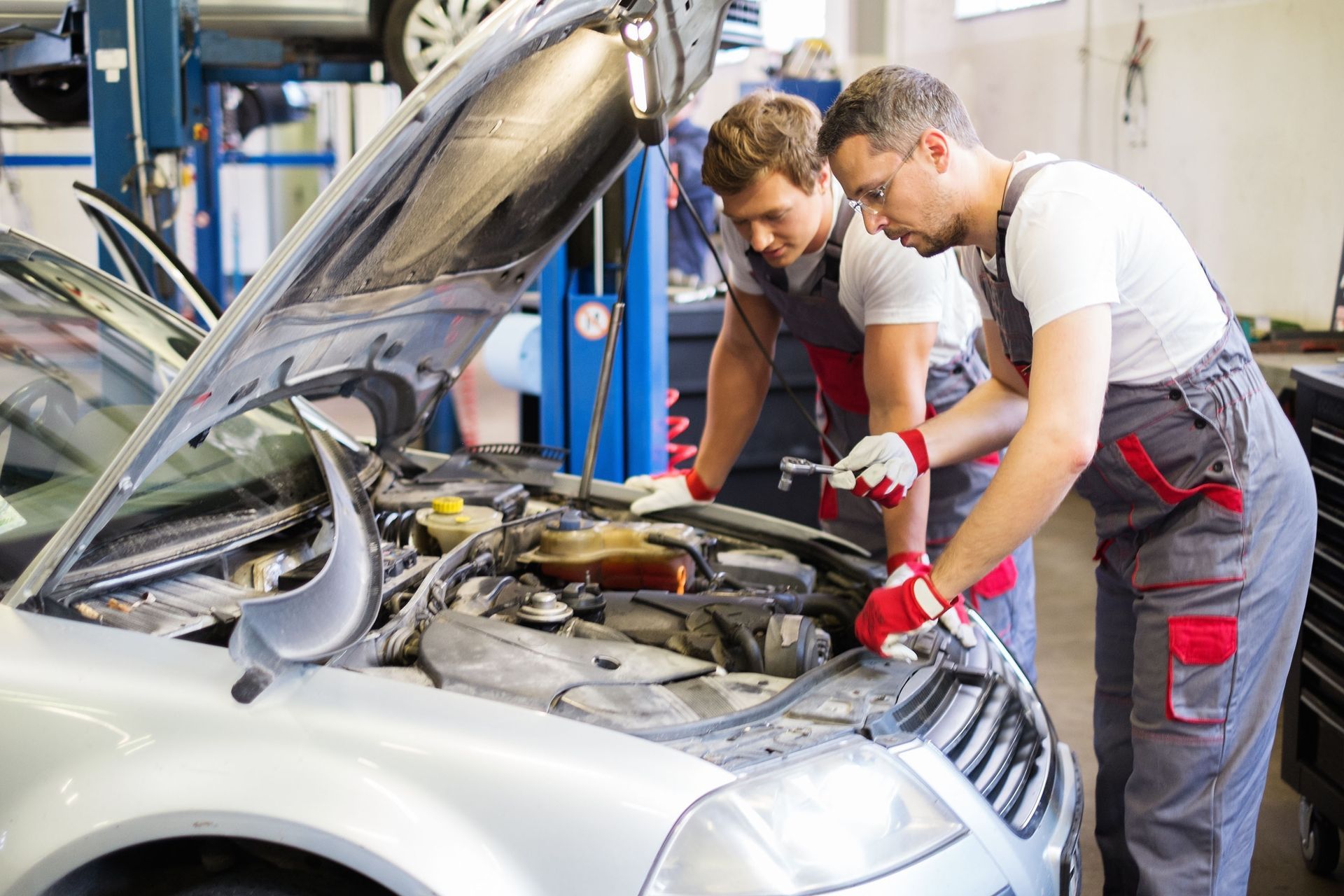
The initial inspection is a critical stage in the repair process, as it identifies both visible and hidden damages. Technicians employ various diagnostic tools to uncover structural issues beneath the vehicle's surface. This comprehensive approach ensures that all aspects of damage are addressed, preventing future complications. During this process, technicians examine every affected part, from dents and scratches to internal damage. A thorough analysis provides an accurate estimate for repairs, ensuring the vehicle is restored to its original state.
1.2. Cost Estimates
Cost estimation is an essential part of planning auto body repairs which influences customer decisions. Factors such as the extent of damage, parts required, labor, and the overall condition of the vehicle affect the cost. According to Consumer Affairs, basic auto repair service generally runs between $95 and $237, while the cost of major service ranges from $296 to $474. Providing customers with accurate estimates helps in planning their budgets and insurance paperwork. Transparency in cost projections builds trust and ensures customers are aware of what to expect financially.
1.3. Timeframe for Repairs
Time is a crucial aspect when it comes to auto body repairs, as customers often rely on their vehicles for daily transportation. The duration of repairs is contingent upon the severity of damage, availability of parts, and the body shop’s current workload. By setting realistic timeframes, technicians manage customer expectations and prevent frustration. It is vital for auto body services to communicate any potential delays or changes. Getting vehicles back to their owners promptly is a priority, emphasizing efficient repair practices.
1.4. Customer Consultation
Effective communication with customers is vital throughout the repair process, starting with the initial consultation. During this step, technicians explain the diagnosis, repair options, costs, and estimated timeframes. Ensuring customers understand their choices and potential outcomes leads to informed decision-making. This interaction builds rapport and trust between customers and service providers. A customer-centered approach ensures all parties are aligned, fostering a positive repair experience.
1.5. Insurance Coordination
Managing insurance claims is often a daunting task for vehicle owners following accidents or damage. Auto body services play a crucial role in simplifying this process by working closely with insurance providers. They handle necessary documentation, provide detailed repair estimates, and ensure that repair services align with the insurance policy terms. This coordination streamlines the claim process, reducing stress and financial burdens for the customer. Reliable auto body services become an advocate for customers in managing and processing insurance claims efficiently.
2. Repair and Paint Services
2.1. Dent and Scratch Repair
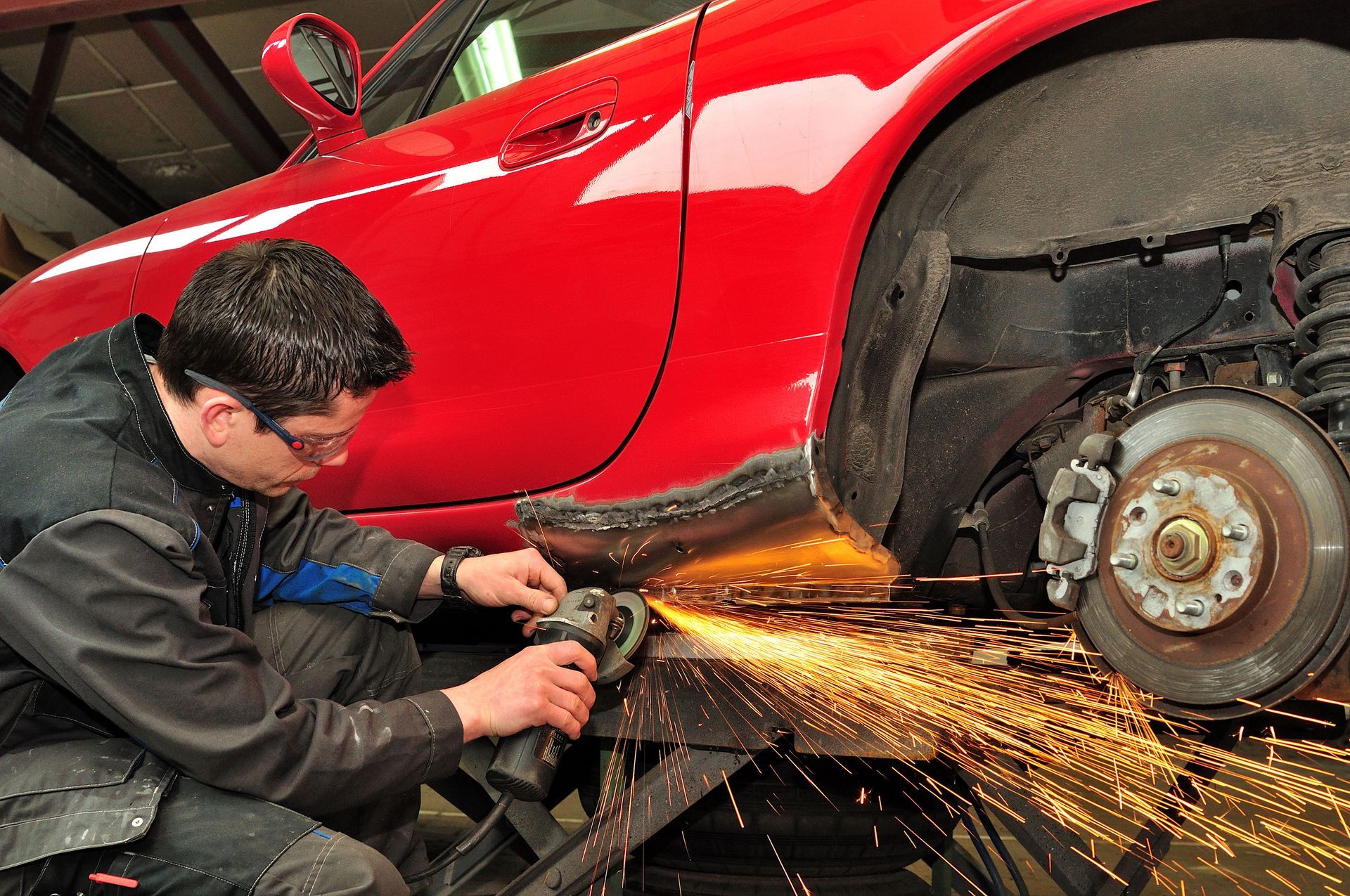
Dents and scratches are common superficial damages that vehicles encounter. Technicians use specialized tools such as dent pullers, fillers, and sanders to address these issues effectively. Depending on the severity, techniques like paintless dent repair may be employed for minor imperfections. These methods are time-efficient and cost-effective, preserving the vehicle’s original paint when possible. Providing quality dent and scratch repair services is essential in maintaining a vehicle's appearance and value.
2.2. Structural Repairs
When a vehicle suffers significant impact, structural integrity can be compromised, affecting its safety and functionality. Technicians assess the damage using advanced diagnostic equipment to identify weak points and fractures. They perform necessary repairs to restore the vehicle’s structure, using techniques like welding and replacement of damaged components. Maintaining structural integrity ensures the vehicle is road-safe and upholds manufacturer safety standards. Auto body services must adhere to rigorous repair protocols to guarantee optimal safety post-repair.
2.3. Matching Paint Quality and Color
One of the challenges in auto body repair is achieving perfect paint color matches. Technologies like spectrophotometers and computer-aided paint mixing systems aid technicians in replicating exact hues. Accurate color matching ensures seamless blending of repaired and original areas, maintaining the vehicle's aesthetic continuity. Quality paints and finishes are used to ensure durability and resistance against environmental factors. Ensuring a flawless paint match is crucial in satisfying customer expectations and upholding vehicle value.
2.4. Specialty Coatings
Beyond standard paint jobs, specialty coatings offer enhanced durability and aesthetics for vehicle surfaces. Coatings such as ceramic or Teflon provide an extra layer of protection against scratches, UV rays, and harsh weather conditions. Customers may opt for these advanced options for added aesthetic enhancement and longevity of the paintwork. Applying specialty coatings requires expertise to ensure even application and maximum effectiveness. Auto body services that offer these options provide value-added services for discerning vehicle owners.
2.5. Quality Assurance
Quality assurance in auto body repairs is paramount to ensuring repaired vehicles meet industry standards. Technicians conduct rigorous inspections post-repair to verify the quality of work, focusing on safety, functionality, and appearance. Comprehensive checks ensure that all mechanical and aesthetic aspects adhere to the highest standards. This meticulous process prevents future complications and ensures customer satisfaction. Adhering to quality assurance protocols reflects a commitment to excellence in auto body services.
3. Frame Straightening and Alignment
3.1. Diagnostics and Measurement
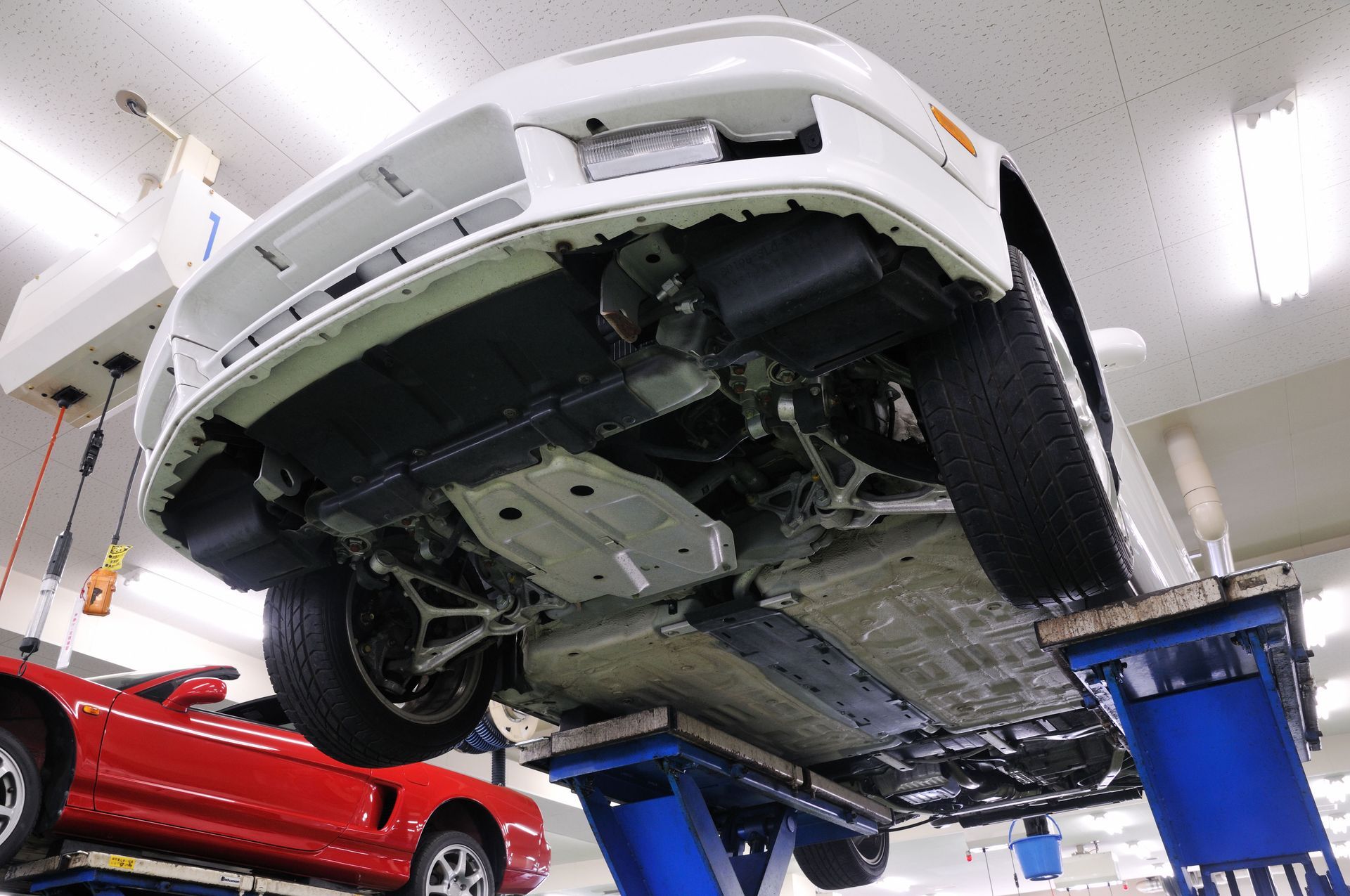
Accurate diagnostics and measurement are crucial for identifying frame alignment issues. Technicians utilize computerized systems to measure and assess frame distortion or misalignment accurately. This assessment is a precursor to frame straightening, essential for restoring structural integrity. Precise diagnostics ensure the effectiveness of subsequent alignment efforts. Accurate measurement tools are instrumental in developing repair strategies that address all alignment concerns comprehensively.
3.2. Straightening Techniques
Frame straightening involves a combination of mechanical techniques and modern technology to restore frame alignment. Technicians use hydraulic machines, frame straightening equipment, and pull systems to rectify distortions. These intricate processes require precision to prevent further damage and ensure correct alignment. Maintaining the vehicle’s structural integrity is critical for safety, making accurate frame straightening an essential service. Technicians’ expertise and advanced tools ensure that the frame meets manufacturer specifications post-repair.
3.3. Safety Impact
Correct frame alignment is vital for vehicle safety, as misalignment can compromise handling and stability. A misaligned frame can lead to uneven tire wear, steering issues, and increased accident risk. Aligning the frame ensures that the vehicle operates safely on the road, with improved handling and performance. Safety-driven repairs are central to maintaining vehicle roadworthiness and driver confidence. Prioritizing frame alignment significantly impacts the overall safety and performance of a vehicle.
3.4. Post-Repair Validation
Following frame repairs, technicians conduct thorough evaluations to ensure alignment and safety standards are met. Post-repair validation involves various diagnostic tests to assess suspension and steering functions. This process verifies the effectiveness of repairs and ensures all systems operate within acceptable parameters. Rigorous testing guarantees that all alignment issues are addressed and resolved. Auto body services must emphasize post-repair validations to deliver reliable and safe vehicles to customers.
In conclusion, auto body services are integral to maintaining vehicle safety and aesthetics, requiring a comprehensive approach to diagnosis, repair, and customer interaction. Prioritizing factors such as accurate damage assessment, efficient repair processes, quality assurance, and customer education reinforces the value of these services. Selecting a reputable auto body service ensures vehicle owners receive optimal care, enhancing vehicle longevity and road-safety standards. Taking a proactive stance in vehicle maintenance and repair can prevent costly future issues and ensures owner confidence. Emphasizing the importance of choosing the right service provider highlights the significant role these services play in the vehicle maintenance ecosystem. Be sure to reach out to Pro Car Collision Inc today to learn more about our professional auto body service!

Share On: